Robotic RV Shaft Measurement
Overview
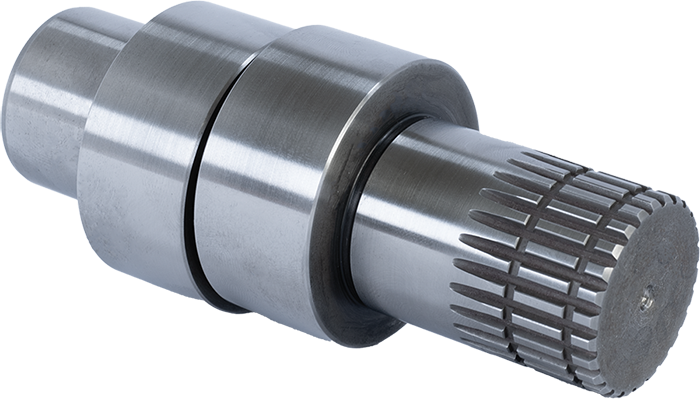
On an RV reducer shaft—commonly used in RV gear reducers or speed reducers—several critical sections require high-precision machining to ensure optimal performance, durability, and alignment. The primary function of the reducer is to convert the high-speed, low-torque output of a motor or engine into a lower-speed, higher-torque output. Within the assembly, two components typically demand the highest precision and accurate measurement:
Crankshafts or eccentric shafts, which interface with the involute gears and crank bearings. These components are essential for maintaining smooth rotational motion and minimizing vibration.
The center shaft, which transmits power from the planetary gear system. Its alignment and surface finish are crucial for efficient torque transfer and long-term reliability.
Precision in these areas directly impacts the reducer’s overall efficiency, noise levels, and lifespan.
- Straightness
- Roundness (Circularity)
- Cylindricity
- Concentricity or Position
- Runout (Circular and Total)
- Parallelism
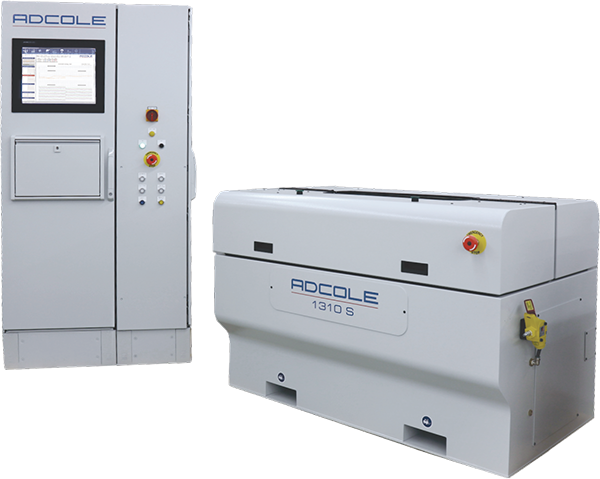
Adcole Gages for RV Reducer Shaft Metrology
Supportive Software
- 3D Inspection Metrology Software
- Advanced Straightness & Material Build-up Metrology Software
- Asperity Removal Metrology Software
- ErrTran Lift File Metrology Software
- Linear Profile Measurement Software
- Program Builder Metrology Utility & NextGen Software
- Chatter Analysis Metrology Software
- Surface Roughness Measurement & Analysis Software
Services